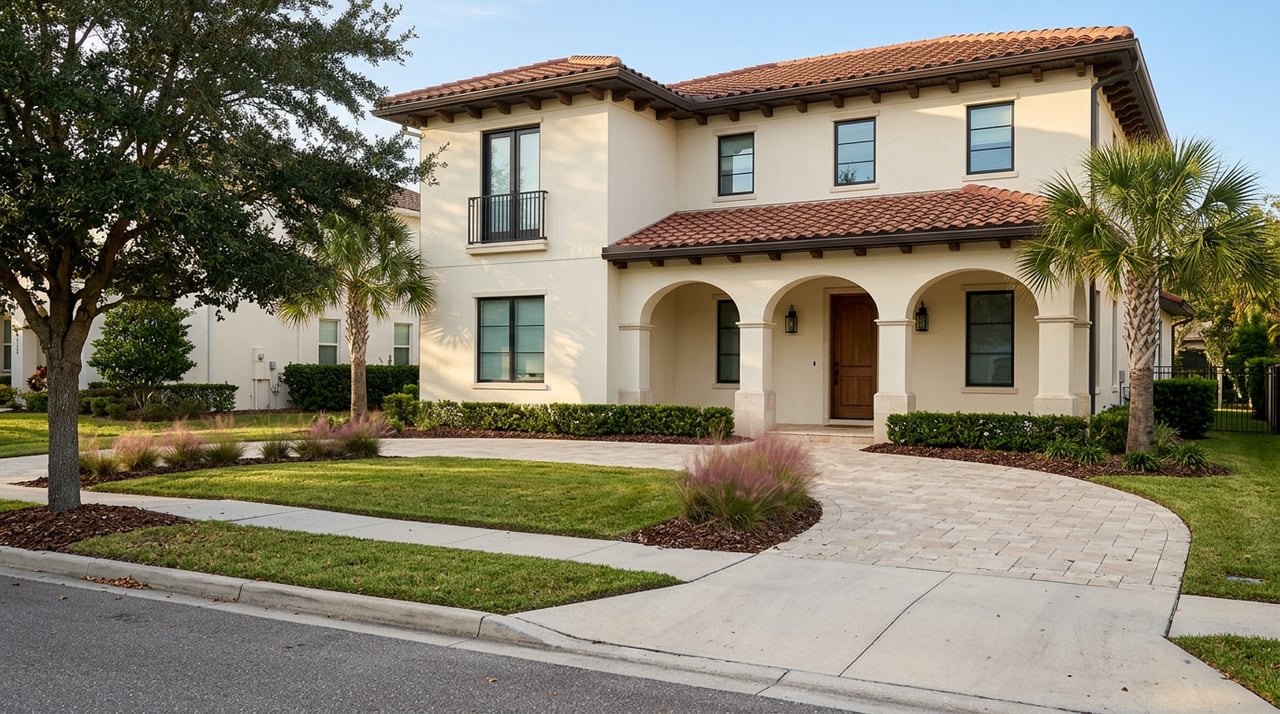
Thinking about buying in Hammock Bay and turning it into a rental, but not sure if the numbers will work? You are not alone. Investors love the location and amenities, but cash flow depends on your strategy, costs, and how you plan to operate. In this guide, you will get a clear, local view of pricing, rental demand, STR rules, taxes, insurance, and the scenarios where Hammock Bay can make sense. Let’s dive in.
Hammock Bay at a glance
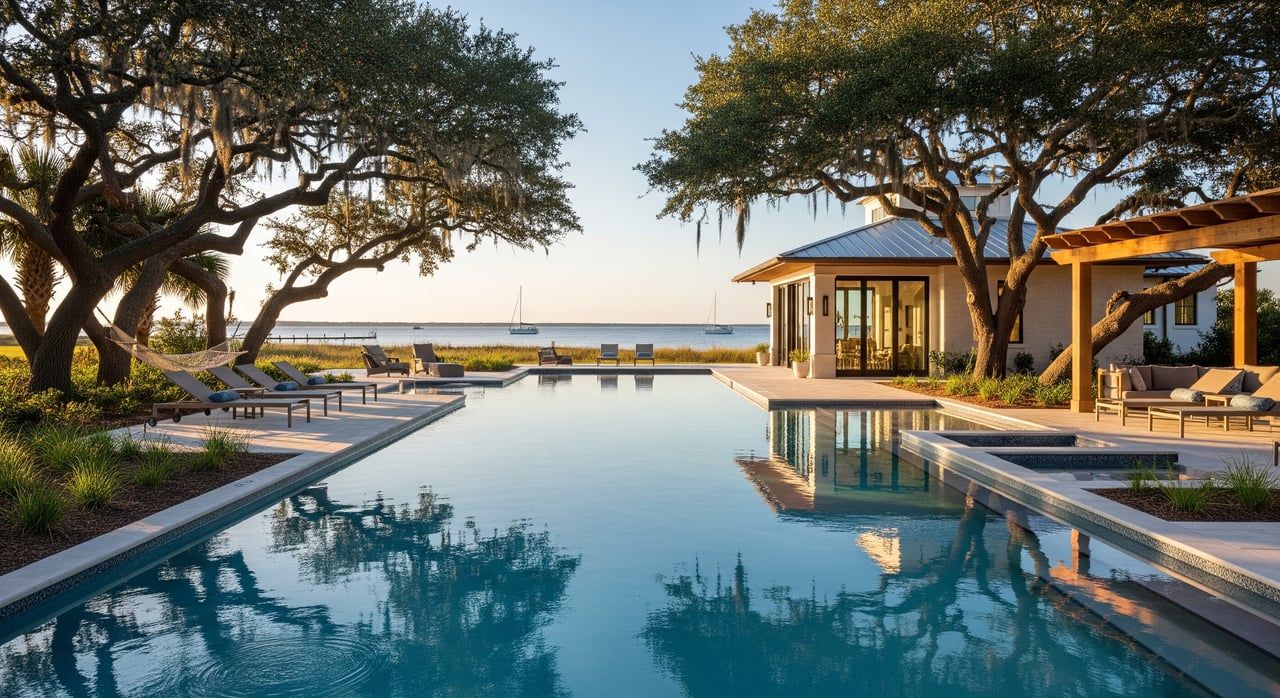
Hammock Bay is a 3,000-acre master-planned, bayfront community in Freeport with a Town Center, multiple clubhouses, pools, fitness facilities, trails, and a 60-acre sports park. You will find a mix of sub-neighborhoods and product types, from new construction and upscale pockets to resale single-family homes and some townhomes. You can preview the community amenities through the official site for Hammock Bay’s clubs, trails, and Bay Club access.
Location matters. Hammock Bay sits on the north side of Choctawhatchee Bay. Typical drive times to central Destin or Miramar Beach run about 25 to 45 minutes depending on route and traffic. That tradeoff is key: you get a lower entry price than 30A beachfront areas, balanced against a longer drive to the beaches that drive peak vacation rates.
What buyers are paying today
Based on recent activity across listings and sales, most resale single-family homes in Hammock Bay and nearby Freeport neighborhoods commonly trade in the roughly 350,000 to 700,000 range. Pricing varies with size, finish level, lot type, and whether the home is new or resale. In gated or luxury pockets, such as the Vineyards, larger plans on premium lots can reach the high six figures and into seven figures, with some builder pricing starting near 900,000 for select offerings.
If you are evaluating a specific home, pull sold comps inside that exact sub-neighborhood, not just general Freeport. HOA fees and rules vary by phase, and those differences affect both value and rental feasibility.
Who rents here and why
Hammock Bay benefits from the strength of the greater South Walton tourism engine while offering a quieter, family-friendly base. Walton County’s destination pulls millions of annual visitors and billions in direct spending, which helps support short-term and seasonal rentals. According to the county’s tourism report, the area saw about 5.3 million visitors and roughly 4.8 billion in direct visitor spending in 2022. You can see the county summary through Walton County’s 2022 annual tourism report coverage.
Typical renter profiles include:
- Short-term vacation guests. Families and multi-family groups seeking multi-bedroom homes for summer, spring break, and holiday weeks.
- Mid-term guests and snowbirds. Monthly stays in shoulder season and winter, including remote workers who value space and community amenities.
- Long-term renters. Local workforce renters across education, health care, hospitality, and contractors. For a 3-bedroom single-family home in the area, long-term rents often land around 1,900 to 2,600 per month, though you should confirm current comps before you model numbers. Regional investment data for Freeport supports this band; see local rental performance context.
Seasonality, ADRs, and STR strategy
Short-term rentals in the region are highly seasonal. Summer, spring breaks, and holidays dominate revenue, while winter and some shoulder months soften unless you target mid-term stays. Local market commentary recommends seasonal pricing and clear minimum-stay rules to protect peak weeks. For a deeper look at setting seasonal rates in the 30A market, review this rate-setting overview for 30A rentals.
For inland or bay-adjacent homes like those in Hammock Bay, illustrative ranges often look like this:
- ADR: roughly 350 to 700 per night for well-furnished 3 to 4 bedroom homes, product and season dependent.
- Occupancy: often 35 to 60 percent across a full year, with heavy clustering in summer.
A midline example can be helpful. If you assume a 500 ADR and 50 percent annual occupancy, that implies about 91,000 in gross revenue before fees and expenses. After professional management, cleanings, platform commissions, utilities, taxes, HOA, insurance, and maintenance, the net can still be attractive, but swings with seasonality and guest mix. Always verify ADR and occupancy with neighborhood-level data before you buy.
Costs, taxes, and rules you must model
Accurate underwriting is what separates a good deal from a headache. Here are the major items to line up before you write an offer.
STR registration and tourist development tax
Walton County requires short-term vacation rental registration, a designated local responsible party, and compliance with county standards. Fines for noncompliance can be significant. Review the county’s vacation rental registration and enforcement FAQs to understand the process.
Walton County also levies a Tourist Development Tax on transient stays. North of the bay, where Hammock Bay sits, falls under the North Walton TDT district, which carries a lower rate than South Walton. Owners must register and remit properly, and platforms do not always remit all local TDTs on your behalf. Confirm the address, district, and filing rules with the Walton County Clerk’s TDT guidance.
Sales tax and property taxes
Short-term stays are subject to Florida sales tax plus local surtax. In Walton County, the combined sales tax base typically totals about 7 percent, to which the TDT is added for short-term rentals. Check exact rates by address with a reliable tax tool like Avalara’s Florida county rates.
For property taxes, Walton County rates vary by district. Freeport’s effective rates often sit around 0.7 to 0.9 percent of assessed value. Get parcel-specific details from the Walton County Property Appraiser.
Insurance and flood considerations
Coastal Florida has seen elevated and volatile homeowners insurance premiums in recent years. Flood insurance is priced property by property under FEMA’s Risk Rating 2.0, and bayfront or low-lying parcels may carry higher costs. Before you close, order an elevation certificate and obtain quotes from local carriers. For market context, review recent reporting on Florida insurance trends from Insurance Journal. To check mapped flood risk, use FEMA’s National Flood Hazard Layer viewer.
HOA rules and operating realities
Hammock Bay operates under a master HOA with multiple sub-associations, each with its own rules and fees. Some CCRs include rental-use rules and minimum lease terms that directly impact STR feasibility. Always obtain the CCRs and confirm rental rules during due diligence. You can locate association records and contacts via the Florida Community Network HOA directory.
On operations, long-term property management often runs near 8 to 12 percent of collected rent. Short-term managers commonly charge 20 to 35 percent of gross revenue given the added turnover, dynamic pricing, cleaning coordination, and guest services. Budget for platform commissions, utilities, lawn care, pest control, linens, and a healthy maintenance reserve for coastal wear.
Three ways investors make Hammock Bay work
Below are illustrative scenarios to show how strategy drives returns. Update mortgage rates, quotes, and rent comps before you rely on any model.
1) Long-term rental focus
- Example purchase: 520,000 for a typical 3 to 4 bedroom resale.
- Rent assumption: 2,000 to 2,500 per month.
- Typical annual costs to model: property tax at about 0.8 percent of value, homeowners insurance 2,000 to 4,000, HOA 0 to 3,600 depending on sub-association, management 8 to 10 percent of rent, and maintenance at 5 to 10 percent of rent.
With those inputs, cash flow often pencils as near break-even or slightly negative with standard financing unless you buy at a discount or push rents toward the top of the local range. The upside here is lower turnover and simpler operations compared to STR.
2) STR seasonal play
- Example product: well-appointed 3 to 4 bedroom home in Hammock Bay.
- Illustrative performance: ADR 350 to 700 with annual occupancy around 35 to 60 percent. A midline of 500 ADR at 50 percent occupancy implies about 91,000 gross.
- Costs to include: management around 25 percent, cleanings, platform commissions, utilities, TDT and sales tax, HOA, insurance, maintenance, and reserves.
This path can cover financing and produce a stronger net, but it carries higher volatility, more calendar work, and a sharper focus on marketing. Use conservative assumptions and verify ADR and occupancy with neighborhood-level data before you buy.
3) Hybrid mid-term and peak-season mix
A common approach is to hold weekly STR bookings for summer and holidays, then secure 1 to 3 month mid-term leases in shoulder and winter. This smooths seasonality, reduces turn costs, and keeps a quality calendar while still capturing peak rates. Hammock Bay’s amenities and community setting can help attract mid-term guests who want space and bay access.
Quick decision checklist
Use this short list to pressure-test a potential Hammock Bay deal before you write an offer:
- Confirm HOA rental rules and minimum stays through the Hammock Bay HOA directory listing.
- Verify the property’s TDT district and filing steps with the Walton County Clerk’s TDT page, and complete county STR registration via Walton County’s rental FAQs.
- Pull FEMA flood maps and order insurance quotes early. Start with FEMA’s NFHL viewer and review Florida insurance trends via Insurance Journal.
- Model three cases: long-term, short-term, and hybrid. Stress test by lowering ADR 20 percent, raising insurance, and adding 5 to 10 percent for unexpected capital expenses.
- Confirm property taxes with the Walton County Property Appraiser and use Avalara’s rate tool to confirm sales tax on STR stays.
Bottom line
Hammock Bay can be a smart rental investment if you match the product and strategy to your goals. You trade a lower entry price and strong community amenities against a longer drive to 30A beaches, which means you should not underwrite as if you own gulf-front. If your plan is long-term leasing, buy carefully and expect near break-even cash flow unless you land a strong price or premium rent. If you are pursuing seasonal STR income, use conservative ADR and occupancy, respect HOA and county rules, and build in healthy reserves for insurance and maintenance.
If you want a clear read on a specific address, sub-neighborhood rules, and a custom rent and expense model, reach out. As a local advisor with an investor mindset, I can help you run the numbers, pressure-test assumptions, and negotiate the right deal. Schedule your free consultation with Daniel J Perry.
FAQs
What is Hammock Bay in Freeport, and where is it located?
- Hammock Bay is a 3,000-acre master-planned community on the north side of Choctawhatchee Bay in Freeport, about a 25 to 45 minute drive to central Destin or Miramar Beach, depending on traffic.
Are short-term rentals allowed in Hammock Bay, and what are the rules?
- Yes, short-term rentals operate in the area, but you must register with Walton County, meet the local responsible-party requirement, and comply with TDT filing and any HOA minimum-stay rules.
What are typical long-term rents for a 3-bedroom home in Freeport’s Hammock Bay area?
- Many 3-bedroom single-family long-term rentals fall roughly in the 1,900 to 2,600 per month range, but you should confirm current comps before underwriting a deal.
How do taxes work on short-term rentals north of the bay in Walton County?
- Expect Florida sales tax plus local surtax on stays, then add the Walton County Tourist Development Tax for the North Walton district, with owners responsible for proper registration and remittance.
What insurance and flood risks should I consider near Choctawhatchee Bay?
- Homeowners insurance in coastal Florida has risen in recent years, and flood premiums vary by property under FEMA’s Risk Rating 2.0, so get an elevation certificate and insurance quotes early.